
Blog
Why Are So Many People Using Sugar Daddy Apps?


Sugar daddy apps keep gaining users, and the reasons are the same ordinary ones that grew every other kind of dating. The whole category moved onto the phone, the tools got safer, and the reach got wider. Around 360 million people used dating apps in 2024, and the niche corners grew right alongside the mainstream. The specialized apps add one thing of their own, a place to state what you want and meet people who want the same, which stopped being embarrassing to admit.
The Move Onto the Phone
The scale of the change explains most of it. In 2013, about 11% of American adults had used an online dating site or app. That figure is now near 30%, and among adults under 30 it is roughly two-thirds. Once a behavior becomes that common, its sub-categories stop looking strange. Apps built for one narrow purpose are part of the same habit, used by the same people who order dinner and hail rides from the same screen.
This is the first and simplest answer. These apps are growing because all dating apps grew, and a niche product riding a mainstream wave picks up users without doing anything clever. The surprising thing would be a corner of online dating that failed to grow while the rest doubled.
A Preference for Defined Expectations
One real draw is knowing where you stand. On a general dating app, two people can spend weeks guessing what the other one wants. On an app built around one stated purpose, both sides put their intentions on the table at the start. That removes a lot of wasted time and a lot of awkward conversation.
People are drawn to certainty before the first message. The uncertainty that makes open-ended dating exhausting is exactly what these apps are designed to strip out. For someone who values their own time, that design is the whole appeal.
The Appeal of Being Upfront
Being upfront about what you want has become its own selling point. A platform like Secret Benefits draws people who would rather say plainly what kind of relationship they are looking for than dance around it for a month. The same instinct shows up across modern dating, from people seeking marriage to those wanting steady company without commitment.
Nothing here depends on hiding anything. The people using these apps tend to know themselves and their schedules, and they prefer a partner who does the same. Knowing where you stand early is worth a lot to people short on time, and a growing number have decided they want it.
Companionship and Guidance
The reasons people give are wider than outsiders assume. In survey work on these connections, about a quarter of participants named companionship, roughly one in eight said they hoped to find love, and a smaller share pointed to mentorship or access to new social circles. Those are ordinary human wants, and the value of social connection to health and mood is well documented.
An app that helps a person find company, guidance, or a wider network is doing what every social tool promises. It connects people who would not otherwise cross paths and lets them sort for what they actually want. Framed that way, the growth looks like a feature working as intended.
Less Stigma Than Before
Attitudes have loosened, and that matters as much as any single feature. A decade ago, meeting a partner online still carried a faint apology. Now it is the default, and the defined kinds of dating that once drew whispers draw shrugs instead. Online dating has become the most common way couples meet, and the specialized apps ride inside that acceptance.
Younger users in particular treat the choice of app as an ordinary matter of taste. When a behavior stops being embarrassing, the people who quietly wanted it stop hiding, and the user counts jump. Part of what looks like explosive growth is people who were always interested finally willing to sign up under their own names.
Verification and a Sense of Safety
Safety features explain another part of the growth. These apps let people vet profiles, control who can reach them, and reveal details at their own pace. For anyone meeting strangers, that control matters a great deal.
Identity verification steps that confirm a person is who they claim to be reduce the risk that once drove people away from open forums and blind introductions. A platform that feels safer than the alternatives keeps the users it attracts, and retention compounds into the growth curves that make headlines.
A Wider Pool Than Daily Life Offers
The last reason is reach. A person’s daily circle is small and mostly fixed by where they work and live. Apps widen that circle to thousands of people with compatible aims, sorted and searchable in an evening. With American couples now meeting online more often than any other way, using an app to expand a small social world has stopped being unusual.
That reach is the main practical draw of every dating app, and the specific ones are no exception. When a tool lets you skip months of coincidence and meet people who already want what you want, plenty of users decide the trade is worth making.
The Sources of the Growth
Put the pieces together and the drivers are all familiar ones. A category that went mainstream, better safety tools, a reach ordinary life cannot match, and less shame attached to saying what you want. The better question now is why anyone still expects these apps to stay a niche. As the stigma keeps fading, the ones built around a stated purpose will keep drawing the same people who already run the rest of their lives from a screen.

Why Are So Many People Using Sugar Daddy Apps?

Why Are Celebrity Relationships So Volatile

Meet Yado Yakub: The Life of Margaret Brennan’s Husband

June Baranco’s Journey After Splitting From Bryant Gumbel

Meet Lupe Gidley: Facts About Christopher McDonald’s Wife

Inside Gina Capitani’s Life: What to Know About Theo Von’s Mother

Who Is Abdulfattah Jandali? Steve Jobs’ Birth Father Story

Meet Zoe Giordano Harrelson: The Life of Woody Harrelson’s Daughter

Meet Ana Luz Rodriguez-Paz: The Woman Married to Ahmad Rashad

Janet Smollett Bio: Facts About Joel Smollett’s Wife

Who is Jasmine Gong? Exploring Her Life and Connection to Brad Williams

Who Is Vera Davich? A Deep Dive into Her Life and Relationship with Scott Patterson

Who Is Elizabeth Buckley Harrold O’Donnell? A Closer Look at Lawrence O’Donnell’s Family

Nathaniel Mandrell Dudney: Insights into Barbara Mandrell’s Family Life

Meet Vladislava Galagan: A Profile of Her Life and Impact

Who is Alice Marrow? Everything You Need to Know About Ice-T’s Wife

Melanie Sergiev & Drew Lynch: How Their Partnership Shapes Their Professional and Personal Worlds

Talia Elizabeth Jones: Exploring Her Connection to Davy Jones

Who is Heidi Van Pelt? Exploring Taran Noah Smith’s Ex-Wife and Their Family Journey

Who is Jamie White-Welling? The Untold Story of Tom Welling’s Spouse
Why Are So Many People Using Sugar Daddy Apps?
Why Are Celebrity Relationships So Volatile
Meet Yado Yakub: The Life of Margaret Brennan’s Husband
June Baranco’s Journey After Splitting From Bryant Gumbel
Meet Lupe Gidley: Facts About Christopher McDonald’s Wife
Inside Gina Capitani’s Life: What to Know About Theo Von’s Mother
Who Is Abdulfattah Jandali? Steve Jobs’ Birth Father Story
Meet Zoe Giordano Harrelson: The Life of Woody Harrelson’s Daughter
Meet Ana Luz Rodriguez-Paz: The Woman Married to Ahmad Rashad
Janet Smollett Bio: Facts About Joel Smollett’s Wife
-
 Celebrity2 years ago
Who is Jasmine Gong? Exploring Her Life and Connection to Brad Williams
-
 Celebrity2 years ago
Who Is Vera Davich? A Deep Dive into Her Life and Relationship with Scott Patterson
-
 Celebrity2 years ago
Who Is Elizabeth Buckley Harrold O’Donnell? A Closer Look at Lawrence O’Donnell’s Family
-
 Celebrity2 years ago
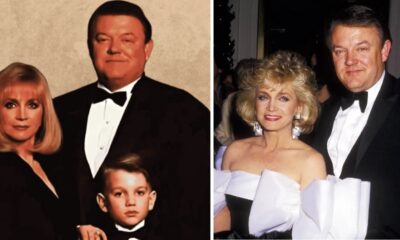
Nathaniel Mandrell Dudney: Insights into Barbara Mandrell’s Family Life