
Business
How Your Routine Influences Your Contact Lens Choice: Daily vs Monthly Wear

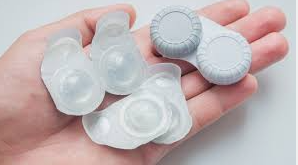
Choosing the right contact lenses isn’t just about correcting your vision — it’s about matching your lenses to your lifestyle. Your daily habits, schedule, hygiene preferences, budget, and even travel frequency all influence whether daily or monthly contact lenses are better for you. Both options have unique advantages and limitations, and understanding how they fit into your everyday routine makes the decision much easier.
What Are Daily Contact Lenses?
Daily contact lenses are single-use lenses that you wear once and then throw away at the end of the day. There’s no cleaning, no storing, and no maintenance required. Because you start fresh every morning with a new pair, there’s very little chance for debris, allergens, or bacteria to build up on the lenses. This minimizes the risk of irritation and infection.
Daily lenses are especially useful for people with busy or unpredictable schedules. If you value convenience and want a maintenance‑free experience, daily contact lenses may be the best fit for your lifestyle.
What Are Monthly Contact Lenses?
Monthly contact lenses are designed to be worn for up to 30 days. Each night after use, you clean them with a disinfecting solution and store them in a lens case. With proper care, a single pair can last throughout the month.
Monthly lenses are typically made from advanced materials that allow oxygen to reach the eye, making them comfortable for long‑term daily wear. For people who wear contacts every day and don’t mind a simple care routine, monthly contact lenses are often a more economical choice.
How Busy Schedules Affect Lens Choice
If your day is packed with work, school, errands, or travel, daily lenses might save you time and effort. There’s no worrying about bringing cleaning solution or remembering to disinfect your lenses at night. With daily lenses, you just wear and dispose — simple and stress‑free.
On the other hand, if your routine is stable and you’re comfortable following a nightly cleaning ritual, monthly lenses can fit seamlessly into your life while helping you save money over time.
Hygiene and Eye Health
Hygiene plays a major role in how your routine influences your contact lens choice. Daily lenses offer the highest level of hygiene because each pair is sterile and never reused. This is especially beneficial for people with sensitive eyes or allergies, as fresh lenses reduce the chances of irritation.
Monthly lenses rely on consistent cleaning to stay safe and comfortable. If you often rush through nightly routines or forget to clean your lenses, monthly wear may increase the risk of dirt or bacteria build‑up. However, if you’re disciplined with care, monthly lenses remain a reliable option with excellent performance.
Comfort During Daily Activities
Comfort is an important consideration, especially if you spend long hours on screens or outdoors. Daily lenses start out fresh every day, which often feels more comfortable for extended wear. Many wearers find that fresh lenses help reduce dryness and irritation over time.
Monthly lenses can also be very comfortable, especially advanced silicone hydrogel types. Their comfort depends on how well they’re maintained and how close they are to the end of their 30‑day lifespan.
Cost and Time Management
When your routine involves daily wear, cost and time become key factors. Daily lenses may appear more expensive upfront, but they eliminate the need for cleaning supplies and cases. For people who don’t wear lenses every day, daily lenses may even be more cost‑effective.
Monthly lenses usually cost less over time for regular wearers. One pair lasts a whole month, which reduces the number of packs you need to buy each year. As long as you’re diligent with your care routine, the cost per day is typically lower than daily disposables.
Traveling and On‑the‑Go Lifestyle
Traveling can add another layer to your contact lens decision. If you’re frequently on the go, daily lenses reduce the number of items you need to pack, like solution and cases. Just take enough disposable lenses and you’re ready for your trip.
Monthly lenses require cleaning supplies and proper storage even while traveling, which might not suit everyone’s travel habits — especially for short trips or minimal‑packing preferences.
Environmental Impact and Routine Responsibility
Your daily habits also influence your environmental footprint. Daily lenses generate more waste because you dispose of them and their packaging after every wear. Monthly lenses generate less solid waste since they’re replaced monthly — though they still require cleaning solutions.
For wearers who prioritize sustainability in their routine, monthly lenses may be the greener choice if proper care and replacement schedules are followed.
Lifestyle Scenarios and Lens Choice
- If you have a busy, unpredictable routine and want maximum ease, daily lenses are likely better.
- If you have a structured routine and are comfortable with nightly care, monthly lenses can be cost‑effective and convenient.
- For travel‑heavy lifestyles, daily lenses minimize hassle.
- For those with sensitive eyes or allergies, daily lenses can reduce irritation.
- If your daily rhythm includes long hours of wear, both options can work, but fresh daily lenses may feel more comfortable.
Final Thoughts: Routine Matters Most
There is no one‑size‑fits‑all answer to the daily vs. monthly contact lens question. The best choice depends on your daily patterns, time availability, budget, and how dedicated you are to proper lens care.
If you want maximum convenience and hygiene, daily lenses are worth considering. If you prefer a cost‑effective option and don’t mind nightly maintenance, monthly lenses can be a great fit. Understanding how your routine influences your lens choice ensures you get comfort, clear vision, and healthy eyes every day.

How to Keep Your Outdoor Furniture Looking Brand New

How Your Routine Influences Your Contact Lens Choice: Daily vs Monthly Wear

How to Record Screen on Windows 10

Private ADHD Assessment UK: What Parents Should Know

Local Portland Plumbers: Understanding Community-Based Service Excellence

8 Reasons People in Surrey Are Turning to Dermal Fillers for Subtle Refreshment

Stirring Up Success: How Online Culinary Schools Are Changing the Face of Gourmet Training

How UK Bodybuilders Use Mix Compounds to Simplify Cycles

Strategic Instagram Followers Growth Without Damaging Brand Credibility

Where to Buy Designer Wedding Dresses That Balance Comfort and Elegance

Nathaniel Mandrell Dudney: Insights into Barbara Mandrell’s Family Life

Who Is Vera Davich? A Deep Dive into Her Life and Relationship with Scott Patterson

Who Is Elizabeth Buckley Harrold O’Donnell? A Closer Look at Lawrence O’Donnell’s Family

Who is Jasmine Gong? Exploring Her Life and Connection to Brad Williams

Talia Elizabeth Jones: Exploring Her Connection to Davy Jones

Melanie Sergiev & Drew Lynch: How Their Partnership Shapes Their Professional and Personal Worlds

Meet Vladislava Galagan: A Profile of Her Life and Impact

Who is Noelle Inguagiato? Exploring the Life of Jesse Watters’ Wife

Who is Heidi Van Pelt? Exploring Taran Noah Smith’s Ex-Wife and Their Family Journey

Who is Genevieve Mecher? Everything You Need to Know About Jen Psaki’s Daughter
How to Keep Your Outdoor Furniture Looking Brand New
How Your Routine Influences Your Contact Lens Choice: Daily vs Monthly Wear
How to Record Screen on Windows 10
Private ADHD Assessment UK: What Parents Should Know
Local Portland Plumbers: Understanding Community-Based Service Excellence
8 Reasons People in Surrey Are Turning to Dermal Fillers for Subtle Refreshment
Stirring Up Success: How Online Culinary Schools Are Changing the Face of Gourmet Training
How UK Bodybuilders Use Mix Compounds to Simplify Cycles
Strategic Instagram Followers Growth Without Damaging Brand Credibility
Where to Buy Designer Wedding Dresses That Balance Comfort and Elegance
-
 Celebrity1 year ago
Nathaniel Mandrell Dudney: Insights into Barbara Mandrell’s Family Life
-
 Celebrity1 year ago
Who Is Vera Davich? A Deep Dive into Her Life and Relationship with Scott Patterson
-
 Celebrity1 year ago
Who Is Elizabeth Buckley Harrold O’Donnell? A Closer Look at Lawrence O’Donnell’s Family
-
 Celebrity1 year ago
Who is Jasmine Gong? Exploring Her Life and Connection to Brad Williams