
Food
Stirring Up Success: How Online Culinary Schools Are Changing the Face of Gourmet Training

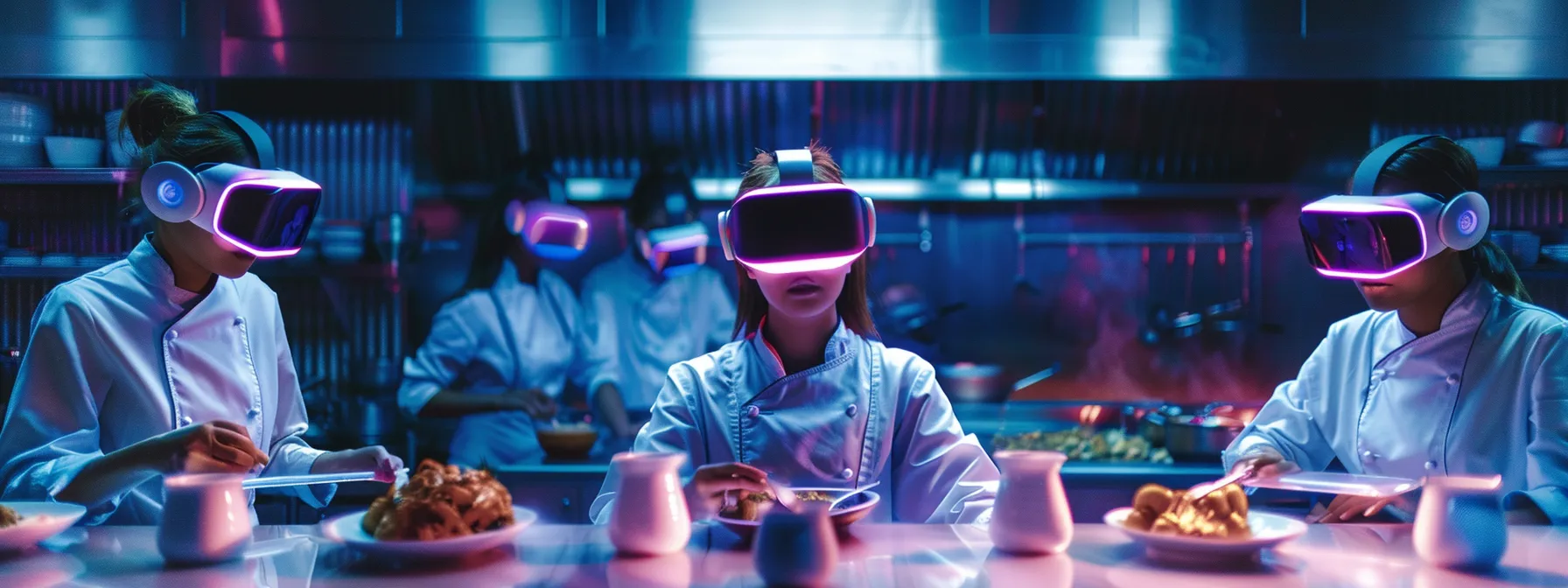
The culinary world has always been a blend of tradition and innovation, with the art of cooking often passed down through hands-on experience. Yet, with the advent of technology, the approach to professional culinary training is experiencing a paradigm shift. Online culinary schools are now emerging as a viable alternative to traditional brick-and-mortar institutions, offering flexibility and accessibility to a wider audience. These virtual platforms are especially advantageous for those balancing work, family, or remote work. Keep reading to discover how online culinary school is revolutionizing the way aspiring chefs stir up success.
The Rise of Online Culinary Schools in the Digital Age
The digital age has enabled learners worldwide to access educational resources that were once out of reach. Online culinary schools are part of this education revolution, enabling anyone with an internet connection to learn the fundamentals of gourmet cooking. This learning model has opened doors for many who were previously constrained by location or schedule.
These online institutions are not just makeshift adaptations of the physical classroom; they feature carefully designed curricula that cater to the unique needs of the digital environment. Advanced technologies such as video tutorials, interactive platforms, and online forums create a comprehensive learning experience that rivals in-person sessions. Expert chefs lead virtual classes and provide feedback on students’ digitally submitted practical work.
Enrollment in online culinary programs has increased sharply, especially amid a world that craves flexibility. The pandemic necessitated a shift towards remote learning, but many students have chosen to continue their culinary education online even as traditional schools have resumed in-person classes. The convenience and efficiency of online learning have clearly made a lasting impression on the culinary education landscape.
Moreover, online culinary schools are making significant strides in transforming the educational experience. With platforms that offer an immersive, interactive experience, students can engage with course materials and faculty in ways previously unimaginable. This digital shift is fostering a new generation of chefs who are as digitally savvy as they are skilled in the kitchen.
From Screen To Kitchen: Real-World Applications of Online Culinary Training
One of the critical questions surrounding online culinary education is its effectiveness in preparing students for real-world kitchen scenarios. Success stories abound, with many graduates of online programs going on to pursue vibrant careers in the food industry. They apply their knowledge in settings ranging from restaurants and bakeries to catering businesses and entrepreneurial ventures.
Moreover, the accessibility of online culinary training has democratized education, resulting in a more diverse range of voices and talents in the culinary arts. Passionate cooks who might have been overlooked due to geography or economic constraints can now share their perspectives on a global stage, bringing fresh ideas and innovation.
Furthermore, the business acumen and digital savvy that students develop through online culinary schools prove highly valuable. The contemporary culinary field involves more than just cooking; it’s about brand building, marketing, and connecting with audiences through social media and other digital channels. Graduates of online programs often excel in these areas, which are becoming increasingly crucial in the industry.
The Future is Served: Predictions for Online Culinary Education Growth and Innovation
As the landscape of culinary education continues to evolve, online culinary schools are poised for significant growth. Innovation is at the forefront of this evolution, with technological advancements elevating the educational experience. Virtual reality could allow students to step into simulated kitchen environments, while advances in taste and scent replication technology might enable a multisensory experience directly from their homes.
Customization and personalization are likely to become key features of online culinary programs. As artificial intelligence and machine learning technology become more sophisticated, they could tailor coursework and feedback to individual student needs, optimizing the educational journey for each aspiring chef.
Furthermore, the reach of online culinary education is expected to expand, further breaking down barriers and creating global networks of culinary professionals. These networks will facilitate the exchange of ideas and cuisines, fostering a more interconnected world of gastronomy. Partnerships with renowned chefs and international culinary institutions may become more common, offering students unparalleled exposure to diverse culinary traditions and practices.
Tverall, the growth of online culinary education signifies a profound shift in how culinary professionals are trained. As technology bridges gaps and democratizes access to world-class education, the prospects for current and future culinary students are expanding exponentially. Online culinary schools are not just changing how we learn to cook; they’re redefining what it means to be a chef in the digital age.

How to Keep Your Outdoor Furniture Looking Brand New

How Your Routine Influences Your Contact Lens Choice: Daily vs Monthly Wear

How to Record Screen on Windows 10

Private ADHD Assessment UK: What Parents Should Know

Local Portland Plumbers: Understanding Community-Based Service Excellence

8 Reasons People in Surrey Are Turning to Dermal Fillers for Subtle Refreshment

Stirring Up Success: How Online Culinary Schools Are Changing the Face of Gourmet Training

How UK Bodybuilders Use Mix Compounds to Simplify Cycles

Strategic Instagram Followers Growth Without Damaging Brand Credibility

Where to Buy Designer Wedding Dresses That Balance Comfort and Elegance

Nathaniel Mandrell Dudney: Insights into Barbara Mandrell’s Family Life

Who Is Vera Davich? A Deep Dive into Her Life and Relationship with Scott Patterson

Who Is Elizabeth Buckley Harrold O’Donnell? A Closer Look at Lawrence O’Donnell’s Family

Who is Jasmine Gong? Exploring Her Life and Connection to Brad Williams

Talia Elizabeth Jones: Exploring Her Connection to Davy Jones

Melanie Sergiev & Drew Lynch: How Their Partnership Shapes Their Professional and Personal Worlds

Meet Vladislava Galagan: A Profile of Her Life and Impact

Who is Noelle Inguagiato? Exploring the Life of Jesse Watters’ Wife

Who is Heidi Van Pelt? Exploring Taran Noah Smith’s Ex-Wife and Their Family Journey

Who is Genevieve Mecher? Everything You Need to Know About Jen Psaki’s Daughter
How to Keep Your Outdoor Furniture Looking Brand New
How Your Routine Influences Your Contact Lens Choice: Daily vs Monthly Wear
How to Record Screen on Windows 10
Private ADHD Assessment UK: What Parents Should Know
Local Portland Plumbers: Understanding Community-Based Service Excellence
8 Reasons People in Surrey Are Turning to Dermal Fillers for Subtle Refreshment
Stirring Up Success: How Online Culinary Schools Are Changing the Face of Gourmet Training
How UK Bodybuilders Use Mix Compounds to Simplify Cycles
Strategic Instagram Followers Growth Without Damaging Brand Credibility
Where to Buy Designer Wedding Dresses That Balance Comfort and Elegance
-
 Celebrity1 year ago
Nathaniel Mandrell Dudney: Insights into Barbara Mandrell’s Family Life
-
 Celebrity1 year ago
Who Is Vera Davich? A Deep Dive into Her Life and Relationship with Scott Patterson
-
 Celebrity1 year ago
Who Is Elizabeth Buckley Harrold O’Donnell? A Closer Look at Lawrence O’Donnell’s Family
-
 Celebrity1 year ago
Who is Jasmine Gong? Exploring Her Life and Connection to Brad Williams